Mimosa Cake Recipe
Introduction
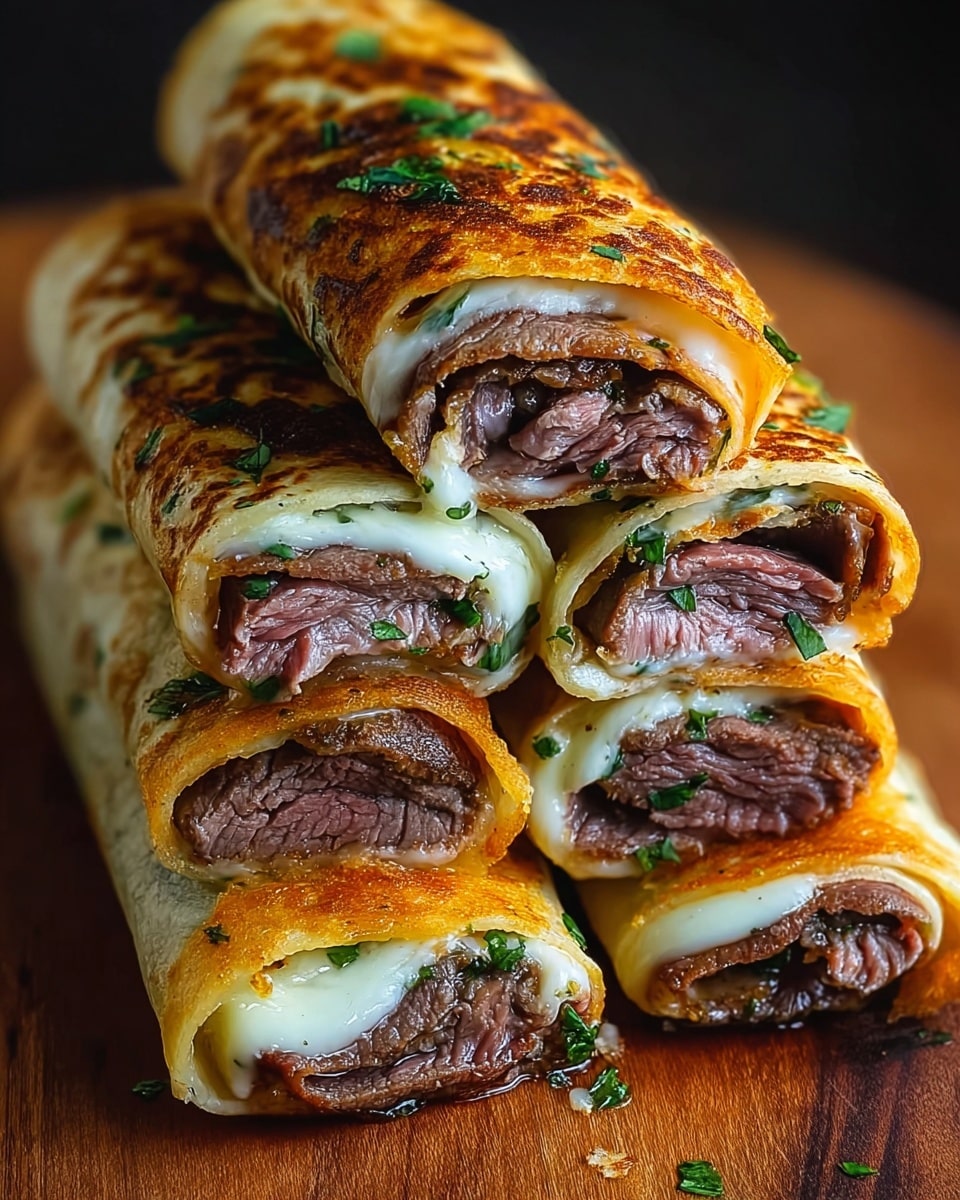
This Mimosa Cake is a light and elegant dessert perfect for celebrations or a special treat. Infused with fresh orange zest and champagne, it combines moist cake layers with a fluffy, orange-scented buttercream for a delightful flavor experience.
Ingredients
- 1 1/2 cups granulated sugar
- 1/4 cup plus 2 tablespoons vegetable oil
- 2 large eggs
- 2 teaspoons pure vanilla extract
- 1/3 cup sour cream
- 1 large orange, zested
- 1 3/4 cups all-purpose flour
- 2 1/4 teaspoons baking powder
- 3/4 teaspoon salt
- 1/2 cup buttermilk
- 2/3 cup champagne
- 3 cups unsalted butter, at room temperature
- 10 large egg whites, at room temperature
- 2 1/2 cups granulated sugar
- 1 tablespoon vanilla bean paste or pure vanilla extract
- 2 large oranges, zested
Instructions
- Step 1: Preheat your oven to 350°F. In a large mixing bowl, combine the sugar, vegetable oil, eggs, and vanilla extract. Beat on medium speed until the mixture is lighter in color and well incorporated, about 2 minutes. Scrape down the bowl as needed.
- Step 2: Add the sour cream and orange zest to the bowl and beat until combined.
- Step 3: In a separate bowl, whisk together the flour, baking powder, and salt. Gradually add the dry ingredients alternately with the buttermilk and champagne to the wet mixture, beginning and ending with the dry ingredients. Beat on low speed until just combined. Scrape the sides and stir gently to ensure the batter is fully mixed.
- Step 4: Pour the batter evenly into two 9-inch round baking pans lined with a Silpat or parchment paper. Bake for 18 to 22 minutes, checking doneness by inserting a toothpick in the center— it should come out clean.
- Step 5: Let the cakes cool in the pans for 10 minutes before transferring to a wire rack to cool completely. Repeat the process to bake two more layers, for a total of four layers.
- Step 6: To make the frosting, combine the granulated sugar and egg whites in a heatproof bowl. Attach a candy thermometer to the side.
- Step 7: Place the bowl over a saucepan of simmering water, ensuring the water does not touch the bowl. Stir constantly and heat until the mixture reaches 140°F and the sugar dissolves completely.
- Step 8: Transfer the bowl to a stand mixer and whisk on low speed, increasing to medium after 2 minutes. Beat for about 10 minutes until the meringue is thick, glossy, and forms soft peaks.
- Step 9: Ensure the mixing bowl is cool, then scrape down the sides. Switch to the paddle attachment and beat in the butter, adding 2 tablespoons at a time on medium-low speed, mixing well after each addition. The frosting may look curdled at first—this is normal.
- Step 10: Add the vanilla bean paste and orange zest. Continue beating on medium speed for 3 to 5 minutes until the frosting is smooth and silky.
- Step 11: Assemble the cake by spreading frosting between each layer and over the top and sides as desired.
Tips & Variations
- Use fresh champagne or sparkling wine for the best flavor, or substitute with sparkling white grape juice for a non-alcoholic version.
- Make sure the egg whites are at room temperature before starting the frosting to achieve maximum volume.
- For an extra burst of citrus, add a few teaspoons of orange liqueur to the frosting.
- If you don’t have a candy thermometer, heat the egg whites and sugar until the sugar is dissolved and the mixture feels smooth when rubbed between your fingers.
Storage
Store the assembled cake covered in the refrigerator for up to 3 days. Let the cake come to room temperature before serving for the best texture and flavor. Leftover cake layers can be wrapped tightly and frozen for up to 1 month; thaw overnight in the refrigerator before frosting.
How to Serve
Serve this delicious recipe with your favorite sides.
FAQs
Can I use sparkling wine instead of champagne?
Yes, any dry sparkling wine or even sparkling white grape juice can be used as a substitute for champagne in this recipe.
How do I know when the cake layers are fully baked?
Insert a toothpick into the center of the cake layer. If it comes out clean or with just a few crumbs clinging, the cake is done.
PrintMimosa Cake Recipe

This delightful Mimosa Cake features tender layers infused with champagne and orange zest, topped with a light and fluffy orange vanilla buttercream frosting. Perfect for celebrations, this moist cake balances citrus brightness with a creamy meringue-based frosting that mimics the classic brunch cocktail.
- Prep Time: 20 minutes
- Cook Time: 20 minutes
- Total Time: 40 minutes plus cooling time
- Yield: 12 servings 1x
- Category: Dessert
- Method: Baking
- Cuisine: American
Ingredients
Cake
- 1 1/2 cups granulated sugar
- 1/4 cup plus 2 tablespoons vegetable oil
- 2 large eggs
- 2 teaspoons pure vanilla extract
- 1/3 cup sour cream
- 1 large orange, zested
- 1 3/4 cups all-purpose flour
- 2 1/4 teaspoons baking powder
- 3/4 teaspoon salt
- 1/2 cup buttermilk
- 2/3 cup champagne
Frosting
- 3 cups unsalted butter, at room temperature
- 10 large egg whites, at room temperature
- 2 1/2 cups granulated sugar
- 1 tablespoon vanilla bean paste or pure vanilla extract
- 2 large oranges, zested
Instructions
- Prepare the Cake Batter: Preheat the oven to 350°F. In a large mixing bowl, combine sugar, vegetable oil, eggs, and vanilla extract. Beat on medium speed until well incorporated and lighter in color, about 2 minutes, scraping down the bowl as needed. Add sour cream and orange zest, mixing until blended.
- Mix Dry and Wet Ingredients: In a separate bowl, combine flour, baking powder, and salt. Alternate adding the dry ingredients with buttermilk and champagne to the wet mixture. Beat on low speed until flour begins to incorporate, then fold using a spatula to ensure even mixing.
- Bake the Cake Layers: Divide batter into two 9-inch round pans lined with Silpat mats. Bake at 350°F for 18-22 minutes. Test doneness with a toothpick—it should come out clean. Cool in pans for about 10 minutes, then remove from pans to cool completely. Repeat for the next two layers if making four layers total.
- Prepare the Meringue Base: Combine granulated sugar and egg whites in a heatproof metal or glass bowl. Attach a candy thermometer. Set the bowl over a saucepan with simmering water (water should not touch the bowl). Stir constantly and heat to 140°F, ensuring the sugar dissolves completely and the mixture is smooth.
- Whip the Meringue: Transfer the bowl to a stand mixer fitted with a wire whisk. Whip starting on low speed, then increase to medium after 2 minutes. Continue beating for 10-15 minutes until the meringue is thick, glossy, forms soft peaks, and the bowl is cool to the touch.
- Add Butter to Frosting: Switch to paddle attachment. Add softened butter by 2 tablespoons at a time on medium-low speed, mixing well after each addition. The mixture may appear curdled initially—this is normal.
- Finish the Frosting: Add vanilla bean paste and orange zest. Beat on medium speed for 3-5 minutes until frosting is smooth, silky, and well combined.
Notes
- Ensure egg whites and butter are at room temperature for best frosting texture.
- Use a Silpat or parchment paper when baking for easy removal of cake layers.
- Do not let the water boil under the meringue mixture to prevent egg whites from cooking prematurely.
- The frosting may look curdled while adding butter, but continue mixing until smooth.
- For a more pronounced orange flavor, use fresh orange zest and juice sparingly if desired.
Keywords: Mimosa Cake, Champagne Cake, Orange Cake, Buttercream Frosting, Celebration Cake, Citrus Cake