Shiratama Dango with Kuromitsu and Kinako Recipe
Introduction
Shiratama Dango are delicate, chewy Japanese rice flour dumplings that make a delightful treat. Served with sweet kuromitsu syrup and roasted soybean powder, they offer a perfect balance of textures and flavors. This simple recipe guides you through making these traditional sweets at home.
Ingredients
- 100 g glutinous rice flour (shiratamako) or 90 g glutinous rice flour (mochiko) + 10 g potato starch (katakuriko) or tapioca starch
- 90 ml water (approx) for shiratamako or 80 ml water (approx) for mochiko mixture
- Dark brown sugar syrup (kuromitsu), for serving
- Roasted soybean powder (kinako), for serving
Instructions
- Step 1: If using shiratamako, place 100 g into a bowl and whisk briefly. Pour half of the 90 ml water into the bowl. If using mochiko, whisk 90 g mochiko and 10 g potato starch together, then pour half of the 80 ml water into the bowl.
- Step 2: Mix with a spatula, adding the remaining water gradually. Knead between additions until a smooth dough forms with the texture of an earlobe. You may not need all the water.
- Step 3: Boil a pot of water. Meanwhile, divide the dough in half and roll each portion into a cylinder. Cut each cylinder into 10 equal pieces, then shape each piece into a ball and press the center slightly to form a dent.
- Step 4: Place the shaped dumplings on baking parchment to prevent sticking.
- Step 5: When the water boils, gently drop the dumplings into the pot. Use chopsticks to gently stir and prevent sticking. Boil until they float to the surface, about 3 minutes.
- Step 6: Once all have floated, set a timer for 1 minute and prepare a bowl of ice cold water.
- Step 7: Turn off the heat and use a mesh spoon to transfer the dumplings to the ice water. Let them cool for 5 to 10 minutes.
- Step 8: Drain the dumplings and serve topped with kuromitsu syrup and kinako powder. Enjoy immediately.
- Step 9: For leftovers, spread the dumplings out on baking paper and freeze for 1 hour. Then transfer to a sealable freezer bag and consume within 1 month. Reheat gently in a microwave (40-50 seconds at 600W) or thaw slowly in a bowl of water.
Tips & Variations
- Adjust water gradually to achieve the right dough texture; it should be soft but not sticky.
- If you prefer a firmer chew, try using mochiko combined with potato starch as an alternative to shiratamako.
- Serve your dango with a variety of toppings such as sweet red bean paste or matcha powder for different flavors.
- Use kuromitsu syrup for an authentic taste, or substitute with honey or maple syrup if unavailable.
Storage
Store leftover shiratama dango in the freezer for up to one month after freezing them spaced out on baking paper. To reheat, microwave gently or thaw in water. Freshly cooked dango are best enjoyed the same day for optimal texture and taste.
How to Serve
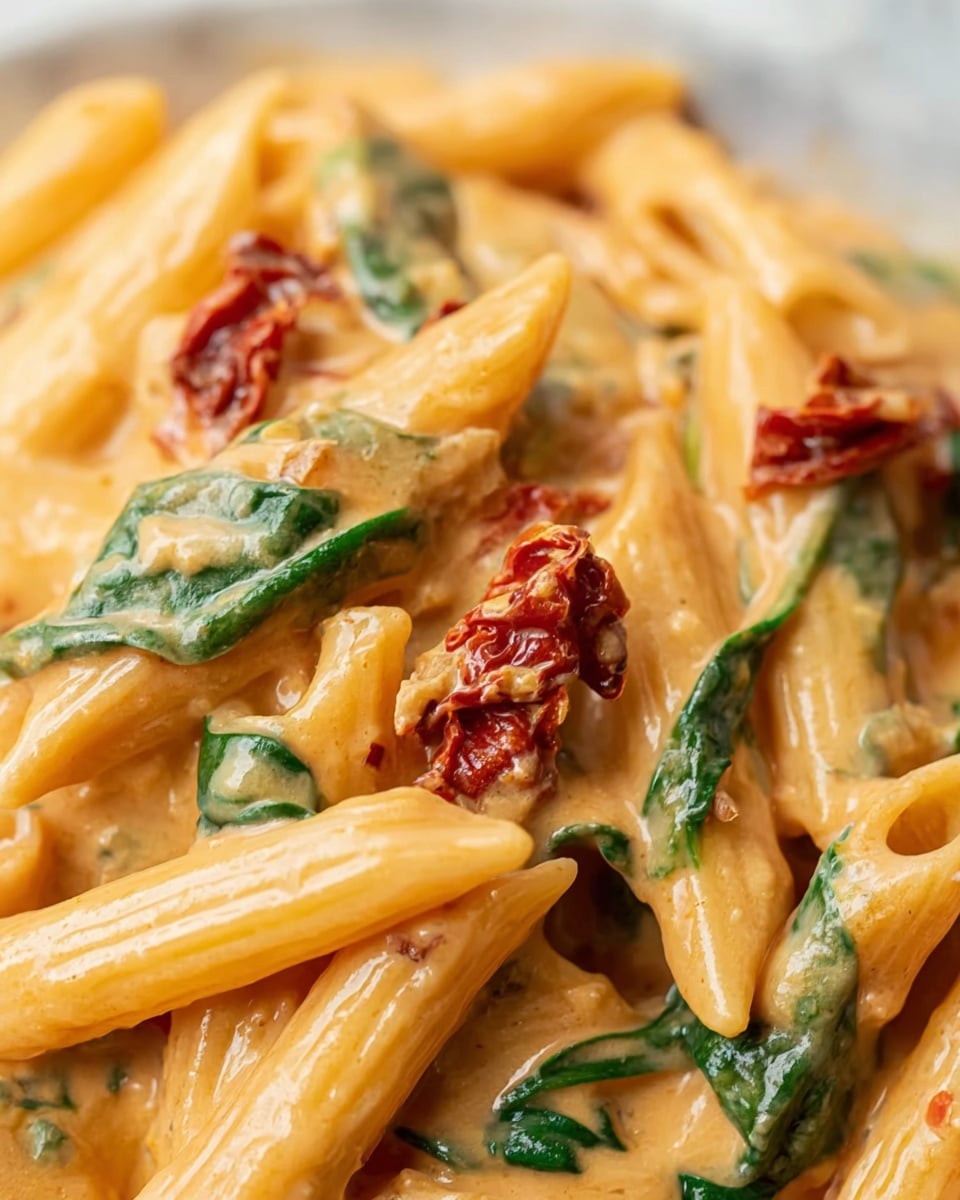
Serve this delicious recipe with your favorite sides.
FAQs
What is the difference between shiratamako and mochiko?
Shiratamako and mochiko are both glutinous rice flours, but shiratamako is made from glutinous rice that is washed and dried before milling, producing a softer, more elastic dough ideal for dango. Mochiko is more commonly used for mochi and can be mixed with potato starch for a similar texture.
Can I make shiratama dango without kuromitsu syrup?
Yes, you can enjoy shiratama dango with other sweeteners like honey, maple syrup, or sweetened condensed milk. The traditional kuromitsu adds a rich, dark sweetness that pairs well, but alternatives work well for different flavor preferences or ingredient availability.
PrintShiratama Dango with Kuromitsu and Kinako Recipe

Shiratama Dango is a traditional Japanese sweet made from glutinous rice flour, resulting in chewy, soft rice flour dumplings. They are typically served with a drizzle of dark brown sugar syrup (kuromitsu) and roasted soybean powder (kinako), offering a delightful balance of sweetness and nuttiness in every bite. This recipe includes instructions for preparing the dough, boiling the dango until they float, and serving them chilled – perfect as a refreshing dessert or snack.
- Prep Time: 15 minutes
- Cook Time: 10 minutes
- Total Time: 25 minutes
- Yield: 20 dango balls 1x
- Category: Dessert
- Method: Boiling
- Cuisine: Japanese
- Diet: Vegetarian
Ingredients
For Shiratama Dango using Shiratamako
- 100 g glutinous rice flour (shiratamako)
- 90 ml water (approx)
For Shiratama Dango using Mochiko
- 90 g glutinous rice flour (mochiko)
- 10 g potato starch (katakuriko) or tapioca starch
- 80 ml water (approx)
Toppings
- Dark brown sugar syrup (kuromitsu), to taste
- Roasted soybean powder (kinako), to taste
Instructions
- Prepare the dough: Measure 100 g glutinous rice flour (shiratamako) into a bowl and whisk lightly. Pour half of the 90 ml water into the bowl. If using mochiko, combine 90 g mochiko and 10 g potato starch, whisk, then add half of the 80 ml water.
- Form the dough: Mix with a spatula and gradually add the rest of the water little by little, kneading after each addition. Continue until you achieve a smooth dough with a texture similar to an earlobe. You may not need all the water.
- Shape the dango: Boil a pot of water. Meanwhile, divide the dough in half and roll each piece into cylinders. Cut each cylinder into 10 equal pieces. Roll each piece into a ball and press the center gently to create a dent.
- Prevent sticking: Place the shaped dango on baking parchment to stop sticking.
- Cook the dango: When the water is boiling, gently add the dango balls into the pot. Use chopsticks to nudge them and prevent sticking to the bottom. Boil until the dango float to the surface, approximately 3 minutes.
- Set a timer and prepare ice bath: Once all dango are floating, set a 1-minute timer. Prepare a bowl of ice-cold water for cooling.
- Cool the dango: Turn off the heat and transfer the cooked dango using a slotted spoon into the ice water. Let them cool for 5 to 10 minutes to set their texture.
- Serve: Drain the cooled dango and serve topped with dark brown sugar syrup (kuromitsu) and roasted soybean powder (kinako) according to taste. Enjoy immediately.
- Storage: For leftovers, space the dango on a baking paper-lined tray and freeze for 1 hour. Then transfer them to a sealable freezer bag. Consume within 1 month. Thaw by microwaving at 600W for 40-50 seconds or slowly in a bowl of warm water.
Notes
- The dough has a texture similar to an earlobe when ready; it shouldn’t be too dry or sticky.
- You do not need to use all the water; add it gradually and knead to get the right consistency.
- The dango are done boiling when they float to the surface and have cooked for an additional minute.
- Cooling in ice water stops the cooking process and helps set the chewy texture.
- Using baking parchment prevents dango from sticking when shaping and freezing.
- Kuromitsu and kinako toppings offer a classic flavor combination; feel free to adjust the quantities to your preference.
- Frozen dango should be consumed within one month for best taste and texture.
- Thaw frozen dango carefully to maintain their soft texture.
Keywords: Shiratama Dango, Japanese dessert, Rice flour dumplings, Kuromitsu, Kinako, Sweet mochi balls